Thursday, 22 January 2015

Medicinal Plants Worth Planting


13 Medicinal Plants Worth Planting
Common name:Aloe Vera
Botanical name:Aloe barbadensis
§  Aloe Vera
The aloe vera grows only under the sun with well drained dry or moist soil. Although the plant tastes like turd, it’s still edible. The sap from aloe vera is extremely useful to speed up the healing and reducing the risk of infections for:
·         wounds
·         cuts
·         burns
·         eczema
·         reducing inflammation
13 Medicinal Plants Worth Planting

Uses of aloe vera
Aloe vera is a succulent plant species. The species is frequently cited as being used in herbal medicine since the beginning of the first century AD vera are widely used in the cosmetics and alternative medicine industries, being marketed as variously having rejuvenating, healing ntiseptics, which are able to kill mold, bacteria, funguses, and viruses.oothing properties.
§   aloe vera produces at least six natural a Aloe vera (/ˈæloʊiː/ or /ˈæloʊ/) is a succulent plant species. The species is frequently cited as being used in herbal medicine since the beginning of the first century AD
Marsh Mallow

Common name:Marsh mallow
Botanical name:Althaea officinalis
Oval: 1https://lh3.googleusercontent.com/-iWqhu6pjV1A/TjkgzvqvPEI/AAAAAAAAb1Y/Jp1y4CvOvUE/s400/marsh%252520mallow.jpg
The root is taken internally to treat :
§  inflammations and irritations of the urinary and respiratory mucus membranes
§  counter excess stomach acid
§  peptic ulceration
§  gastritis
Externally, the root is applied to :
§  bruises
§  sprains
§  aching muscles
§  insect bites
§  skin inflammations
§  splinters
The leaves are very edible, unlike the aloe vera. They can be added to salads, boiled, or fried. It is known to help out in the area of cystitis and frequent urination. Marshmallow is a plant. The leaves and the root are used to make medicine. Don’t confuse marshmallow with the mallow.

Marshmallow leaf and root are used for pain and swelling (inflammation) of the mucous membranes that line the respiratory tract. They are also used for dry 
cough, inflammation of the lining of the stomach, diarrhea, stomach ulcers, constipation, urinary tract inflammation.

People sometimes apply marshmallow leaf and root directly to the 
skin for pockets of infection (abscesses) and skin ulcers; and as a poultice for skin inflammation or burns, and for other wounds.

Marshmallow root is applied to the skin as an ingredient in ointments for chapped skin as well as for pain and swelling of the 
feet and hands due to exposure to the cold (chilblains).

In foods, marshmallow leaf and root are used as a flavoring agent.
§  Great Burdock
Common name:Great Burdock
Botanical name:Arctium Lappa

https://lh5.googleusercontent.com/-UKgpKr53HWY/Tjkg1I_LS7I/AAAAAAAAb1c/OSEoTNKubH8/s400/great%252520burdock.jpg
§  Oval: 2It requires moist soil and can grow shadeless. The great burdock is the pretty famous in the area of detoxification in both Chinese and Western herbal medicine. The root is is used to treat ‘toxic overload’ that result in throat infections and skin diseases like :
  • boils
  • rashes
  • burns
  • bruises
  • herpes
  • eczema
  • acne
  • impetigo
  • ringworm
  • bites

The leaves and seeds can be crushed to poultice it to bruises, burns, ulcers and sores.
Pot Marigold
§  Common name:Pot Marigold
§  Botanical name:Calendula officinalis
https://lh6.googleusercontent.com/-UhN90l2cJrg/Tjkg4wUBLZI/AAAAAAAAb1g/vtt5wNw5Epk/s400/pot%252520marigold.jpg
§  It grows in almost any type of soil condition. It has no problem with nutritionally poor, very acidic or very alkaline soils, just as long as it’s moist. Well known as a remedy for skin problems, the deep-orange flowered pot marigold variety is applied externally to :
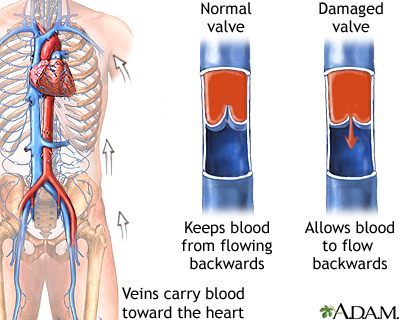
Internally it is used to treat fevers and chronic infections. The tea of the petals tones up circulation and, taken regularly, eases varicose veins. Applying the crushed stems of the pot marigold to corns and warts will soon have them easily removable.
§  Gotu Kola
Common name:Gotu Kola
Oval: 3Botanical name:Centella Asiatica
https://lh4.googleusercontent.com/-ubo607gfZ_8/Tjkg6_ubfDI/AAAAAAAAb1k/m28nhHDpmgU/s400/gotu%252520kola.jpg
The gotu kola acts on various phases of connective tissue development and stimulates healing of :
§  ulcers
§  skin injuries
§  decreasing capillary fragility
§  stimulation of the lipids and protein necessary for healthy skin
Leaves are thought to maintain youthfulness. Crushed leaves are poulticed to treat open sores. The gotu kola can also be used to :
§  treat leprosy
§  revitalize the brain and nervous system
§  increase attention span and concentration
§  Camomile

Common name:Camomile
Botanica name:Anthemis Eecutita
https://lh4.googleusercontent.com/-SZzbgBS7Ipc/Tjkg7wevfQI/AAAAAAAAb1o/rBRgckWcyyU/s400/chamomile.jpg
With a sweet, crisp, fruity and herbaceous fragrance, has long been used medicinally as a remedy for problems regarding the digestive system. It has a soothing and calming effect in the area of aromatherapy, used to end stress and aid in sleep. The entire herb is used to treat common aches like toothache, earache, shoulder pain and neuralgia.
§  Globe Artichoke
§  Oval: 4Common name:Globe Artichok
§  Botanical name:Cynara Scolymus

https://lh6.googleusercontent.com/-aO9L9xDPG-I/Tjkg-by_1HI/AAAAAAAAb1s/mfd5chhdNPk/s400/globe%252520artichoke.jpg
A bitter tasting plant that requires a lot of sun, the cardoon has become important as a medicinal herb in recent years following the discovery of cynarin. The cardoon leaves, best harvested before flowering, helps to :
§  improve liver and gall bladder function
§  stimulate the secretion of digestive juices
§  lower blood cholesterol levels
§  treat chronic liver and gall bladder diseases
§  jaundice
§  hepatitis
§  asteriosclerosis
§  early stages of late-onset diabetes
§  Chinese Yam
§  Common name:Chinies yam
§  Botanical name:Dioscorea Oppositifolia
https://lh6.googleusercontent.com/-qjajOeI3IOE/TjkhALiwMNI/AAAAAAAAb1w/uFAr5XlRQUg/s800/chinese%252520yam.jpg
A type of yam that can be eaten raw, the chinese yam can be easily grown, succeeding in fertile, well drained soil in a sunny position. It is sweet and soothing to the stomach, spleen and has a tonic effect on the lungs and kidneys. It is used internally to treat :
§  tiredness
§  Oval: 5weight loss
§  loss of appetite
§  poor digestion
§  chronic diarrhea
§  asthma
§  dry coughs
§  uncontrollable urination
§  diabetes
§  emotional instability
Externally, it is applied to :
§  ulcers
§  boils
§  abscesses
The leaf, on the other hand, is used to treat snakebites and scorpion stings.
§  Echinacea
§  Common name:Echinacea
§  Botanical name:Linnaeus Taxonomy
https://lh3.googleusercontent.com/-FuCqZQq1-14/TjkhE9pOPpI/AAAAAAAAb10/6Em-hAZkGjM/s400/echinacea.jpg
One of the world’s most important medicinal herbs, the echinacea has the capacity to raise the body’s resistance to bacterial and viral infections by stimulating the immune system. It also has antibiotic properties that helps relieve allergies. Basically, the roots are beneficial in the treatment of sores, wounds and burns. It was once used by Native Americans as an application for insect bites, stings and snakebites. The echinacea grows on any well drained soil, as long as it gets sunlight.
§  Siberian Ginseng
§  Common name:Siberian Ginseng
§  Botanical name:Doctor Schar
Oval: 6


https://lh4.googleusercontent.com/-uD_leKSg6vQ/TjkhGndwm9I/AAAAAAAAb14/s2_tLeBHAiI/s400/siberian%252520ginseng.jpg
The siberian ginseng has a wide range of health benefits, mostly as a powerful tonic herb that maintains good health. It’s medicinal properties are used for :
§  menopausal problems
§  geriatric debility
§  physical and mental stress
§  treat bone marrow suppression caused by chemotherapy or radiation
§  angina
§  hypercholesterolemia and neurasthenia with headache
§  insomnia
§  poor appetite
§  increasing endurance
§  memory improvement
§  anti-inflammatory purposes
§  immunogenic purposes
§  chemoprotective purposes
§  radiological protection

Great Yellow Gentian
Common name:Great Yellow Gentian
Botanical name:Gentiana Lutea
https://lh3.googleusercontent.com/-WKNZ8X_Kwl0/TjkhJnefBhI/AAAAAAAAb18/28G_247J0dc/s400/great%252520yellow%252520gentian.jpg
Oval: 7


The great yellow gentian root is a bitter herb used to treat digestive disorders and states of exhaustion from chronic diseases. It stimulates the liver, gal bladder and digestive system, strengthening the overall human body. Internally, it is taken to treat :
§  liver complaints
§  indigestion
§  gastric infections
§  aneroxia

Sea Buckthorn
Common name:Sea Buckthorn
Botanical name:Hippophae Rhimnoides
https://lh3.googleusercontent.com/-ocViRiEfB3w/TjkhKqyHmWI/AAAAAAAAb2A/O4Ut9lyWgYU/s400/sea%252520buckthorn.jpg
The sea-buckthorn has been used throughout the centuries in China to relieve cough, aid digestion, invigorate blood circulation and alleviate pain. The branches and leaves are used in Mongolia to treat gastrointestinal distress in humans and animals. The bark and leaves are used for treating diarrhea, gastrointestinal, dermatological disorders and topical compressions for rheumatoid arthritis. Even the flowers are used as skin softeners. The berries on the other hand are used together with other medications for pulmonary, gastrointestinal, cardiac, blood and metabolic disorders. Fresh sea buckthorn berry juice is known to be taken in the event of :
§  colds
§  fever
§  exhaustion
§  stomach ulcers
§  cancer
§  metabolic disorders
§  liver diseases
§  inflammation
§  peptic ulcer
§  gastritis
§  eczema
§  canker sores
§  Oval: 8general ulcerative disorders
§  karatitis
§  trachoma

§  Tea Tree
Common name:TeaTree
Botanical name:Melaleuca Alternifolia

Even the aborigines have been using the tea tree leaves for medicinal purposes, like chewing on young leaves to relieve headaches. The paperbark itself is extremely useful to them as it serves to line coolamons when used as cradles, as a bandage, as a sleeping mat, as material for building humpies, as an aluminum foil, as a disposable rain coat and for tamping holes in canoes. The leaves and twigs, eventaully made into tea tree oil, is anti fungal, antibacterial, antiseptic and deserves a place in every household medicine box. Tea tree oil can be used to treat :
§  cystitis
§  chronic fatigue syndrome
§  thrush
§  vaginal infections
§  acne
§  verrucae
§  warts
§  insect bites
§  cold sores
§  nits
§  minor burns
https://lh4.googleusercontent.com/-0u89KmRiWzA/TjkhMJbGYUI/AAAAAAAAb2E/4rpignm11Fs/s400/tea%252520tree.jpg


Speciation

      
                                 Speciation
      

    1)     In course of evolution the formation of new species is called...
a)      Genetic drift                                    b) speciation
c)  Ecological niche                              d) none
          2)    Which of the following does not tend to promote speciation?
   a)   Founder effect                           b) Reproductive isolation
   c)   Natural selection                      c) gene flow
           3)    The two key factors responsible for speciation among populations are:
a) Mutation and heterozygote disadvantage   
b) Reproductive isolation and genetic divergence    
c) Post zygotic isolation and morphological change
d) Mutation and genetic drift
            4)   What sort of characters is useful in constructing phylogenetic trees?
              a). homologous traits                   b) analogous traits
              c) Shared derived traits                 d) a and c
             5)  According to Darwin's theory of evolution, differences between species may be            the               result                                                                               of                                                                                                            
            a) The disuse of body structure     b)   the transmission of acquired characteristics                                                                                                              

b)      Spontaneous generation           d) organic evolution


            6)     The concept that species have changed over long periods of time is          known as
           a) ecology                                  b) embryology
            c) gene flow                              d) all of them
7) Two important processes occurring during the process of speciation are .
a)      Evolution                                b) genetic differentiation
c) Phenotypic differentiation        d) both b and c
8) Which one is considered as the basic unit of   taxonomy?
a)  Class                                    b) specie
c) Sub specie                             d) form


9) A group of plants which breed true within their limits of variations
a)  Du Reitz                              b) Linnaeus
c)  Fredrick Muller                    c) Wiley and Simpson
10) A group of species capable of limited genetic exchange are called
a) Ecotype species                       b) eco species
c) Co-eno species                          d) all of them
11) “Species are the groups of interbreeding natural populations that are reproductively isolated from other such groups “
a) Historical spp concept               b) biological spp concept
c) Typological spp concept             d) taxonomic spp concept
12) The recognition of biological specie involves the processes
a) Natural populations                    b) reproductive isolation
c) Out breeding                              d) both a and b
13) Who was the first scientist to coin the term speciation for splitting or clad genesis..
a) Linnaeus                                     b) Orator f.Cook
c) Du Reitz                                      d) none
14) The speciation in which two previously independent species fuse together to give rise a new third species being themselves extinct
a) Gradual speciation                       b) phyletic speciation
c) Additive speciation                      d) abrupt speciation
15) In isolation changes in the gene pool occurs through the combination of
a)  Genetic rift                                    b) natural selection
c) Founder effect                                d) all of them


16)  The formation of a number of diverse species from a single ancestral one is known as
a) Phyletic speciation                         b) additive speciation
c) Both a and b                                    d) none of them
17) A geographically defined population that is genetically distinguishable from other local populations but is capable of exchanging genes with those other local populations is sometimes called a
a) Geographical race                               b) geographical development
b) Development                                         d) none
18)  The populations reunited at the junction cannot interbreed, then the        definition of separate species has been met this type of speciation is called
a) Sympatric                                             b) parapatric
c) Allopatric                                              d) alloparapatric
19)  The speciation which results from spontaneous chromosomal modification is called
a) Sympatric                                              b) alloparapatric
c) Stasipatric                                               d) none of them
20) The individuals of stasipatric speciation are fully viable only in state
a)  Heterozygous                                        b) homozygous
c) Both a and b                                          d) none of them
21) If gene flow will be high the differentiation will be
a) High                                                        b) low
c) Both a and b                                             d) none
22) The speciation results from hybridization process with no geographical isolation of populations called
a) Parapatric                                            b) sympatric
c) Allopatric                                           d) all of them
23) Allopatric, parapatric speciation are included in mechanism...
a) Reductive                                              b) extrinsic
c) Intrinsic                                                 d) all of them
24) Individuals of species vary from specie to specie morphologically, genetically and heritable is called
a) Speciation                                                  b) dimorphism
c) Polymorphism                                            d) all of them

25) Mutation or recombination caused by cytoplasmic genes usually inherited maternally...
a) Environmental variations                           b) genetic variations
c) Developmental variations                            d) all of them


EVOLUTION OF PTERIDOPHYTES

Bold options are correct

EVOLUTION OF PTERIDOPHYTES
1. In which of the following group would you place a plant which produces spores, has vascular tissue and lacks seed
a) Algae
b) Pteridophyte
c) Bryophyte
d) Gymnosperm
2. According to the available fossil record, which of the following are the first vascular plants
a) Horsetails
b) Cycads
c) Lycopsids
d) Psilophytales
3. Most primitive living vascular plants are
a) Brown algae
b) Sphagnum
c) Ferns
d) Cycads
4. A fern differs from moss in having
a) An independent gametophyte
b) An independent sporophyte
c) Presence of archegonia
d) Swimming antherozoids
5. Spore bearing leaf is called
a) sorus
b) indusium
c) ramentum
d) sporophyll
6. Prothallus represents
a) gametophytic phase in a fern
b) sporophytic phase in a fern
c) gametophytic phase in a gymnosperm
d) gametophytic phase in a angiosperm
7. Branching which is shown by sporophyte plant body
a) dichotomous branching
b) monopodial branching
c) both a & b
d) none of these
8. The structure that produce gametes in the Prothallus are
a) anthers and archegonia
b) ascogonium and anthers
c) antheridia and archegonia
d) none of these
9. Pteridophytes are also called
a) phanerogams
b) vascular cryptogams
c) amphibians of the plant kingdom
d) spermatophytes
10. The dominant sporophyte in Pteridophyte is
a) haploid
b) gametophytic
c) diploid
d) triploid
11. In Pteridophyte, reduction division occurs when
a) spores are formed
b) gametes are formed
c) Prothallus is formed
d) sex organs are formed
12. Most primitive fossil of pteridophytes is
a) psilotum
b) tmesipteris
c) both a & b
d) rhynia
13. In plant life cycle, which of the following sequence is correct
a) sporophyte,mitosis,spore,gametophyte
b) spores,meiosis,gametophyte,mitosis
c) gametophyte,meiosis,gamates,zygote
d) zygote,sporophyte,meiosis,spores
14. In pteridophytes, small leaf with single mid vein are called
a) microphyll leaf
b) megaphyll leaf
c) legule
d) none of these
15. According to Fritsch (1945), pteridophytes came from
a) green algae
b) brown algae
c) erect parenchymatous algae
d) both a & b
16. Sporophyte is independent of gametophyte in
a) bryophytes
b) pteridophytes
c) angiosperm
d) gymnosperm
17. According to Bower's enation theory the microphyll originated from the naked axis as
a) enation
b) superficial lateral outgrowth
c) reduction from lateral branch
d) both a & b
18. According to the anthocerteon theory the sex. organ of pteridophytes embedded in
a) gametophyte
b) sporophyte
c) anthteridia
d) archegonia
19. The conducting tissues xylum and phloem are not found in cryptogams
a) algae
b) bryophytes
c) both a & b
d) pteridophytes
20. In pteridophytes, definite adventitious root system is present only in
a) selaginella
b) rhynia
c) tmesipteris
d) isoetes
21. Heterospory is found in almost all types of pteridophytes except
a) gaint horsetail
b) selaginella
c) marselia
d) isoetes
22. According to Zimmermann, successive phenomena that involve in the development of megaphyll leaf
a) overtopping
b) planation
c) webbing
d) all of these
23. In pteridophytes, sporophytic plant body consist of
a) foot,seta and capsule
b) root,stem and leaves
c) adventitious roots
d) rhizoids
24. when gametophyte is free living and not enclosed by the spore wall it will be termed as
a) exosporic
b) endosporic
c) heterospory
d) both a & b
25. Heteromorphic alternation of generation is the common characterstic feature of
a) angiosperm & gymnosperm
b) pteridophytes & gymnosperm
c) angiosperm & pteridophyte
d) none of these